Presentations
Think BIG: How the Proven Growth Mindset
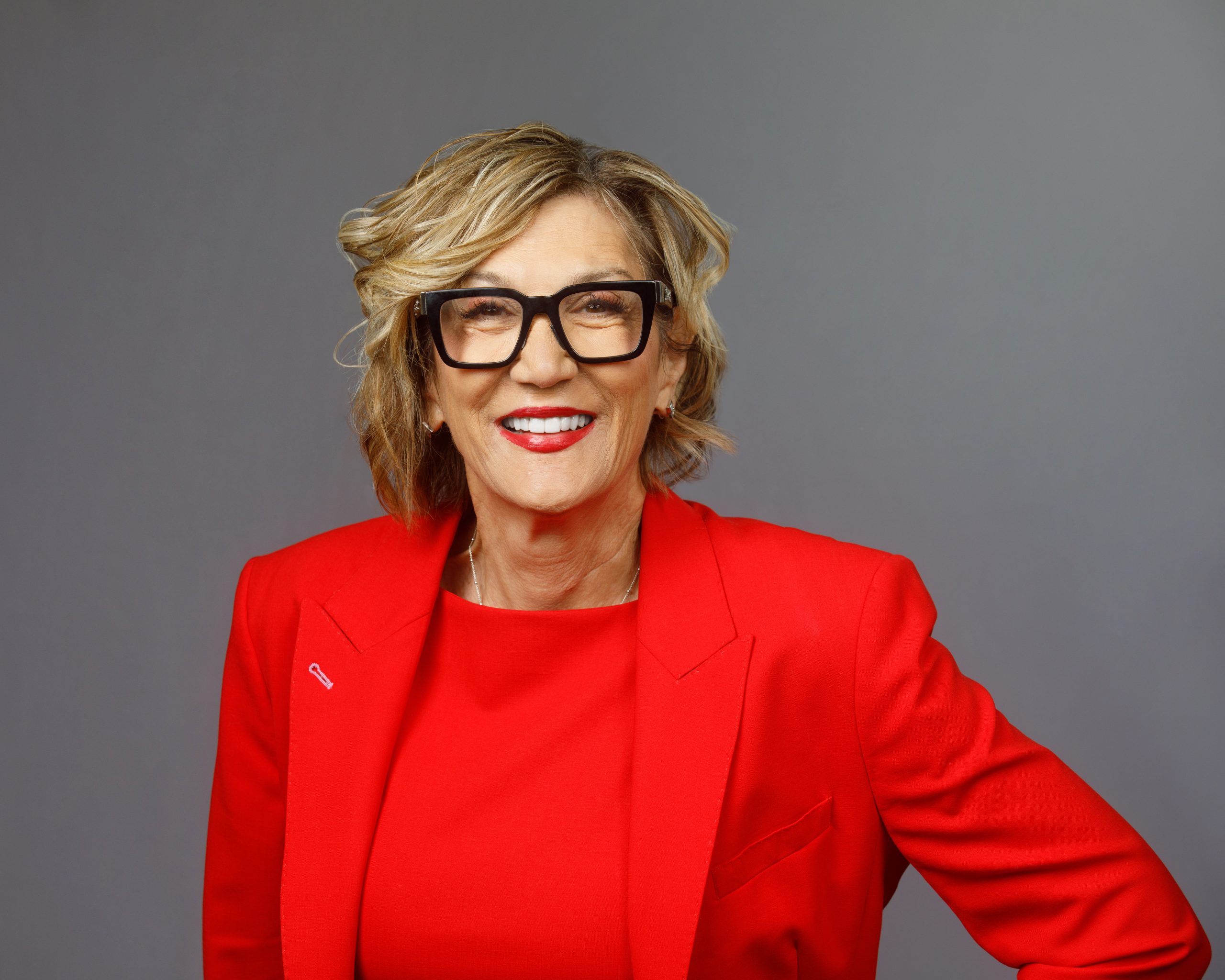
Keynote Speaker - Kelly McDonald
AI and Growth are the two hottest topics in business right now. When working with others, your role is to take your team and your business to the next level, producing consistent results, while keeping your team motivated and engaged. Fostering a growth mindset throughout your team and organization is the blueprint for doing exactly that. A growth mindset is one that believes that intelligence and talents are not fixed: that curiosity, dedication, effort, talents and abilities can be harnessed to cultivate and create even greater abilities and strengths. The growth mindset is an established, studied, and proven approach that yields both business and personal growth and achievement.
A growth mindset does for the mind what exercise does for the body. Like an athlete who trains to become even stronger and more talented, a mindset of growth changes the possibility of achievement into the probability of achievement. The beauty of the growth mindset is that it can be cultivated and created. It costs nothing and is available to all!
Everyone wants to be part of exciting, innovative growth – it’s exhilarating and empowering. A culture of shared growth creates extraordinary talent and passionate teams that are capable of achieving anything.

Why They Thrive - Morgan Hutchings
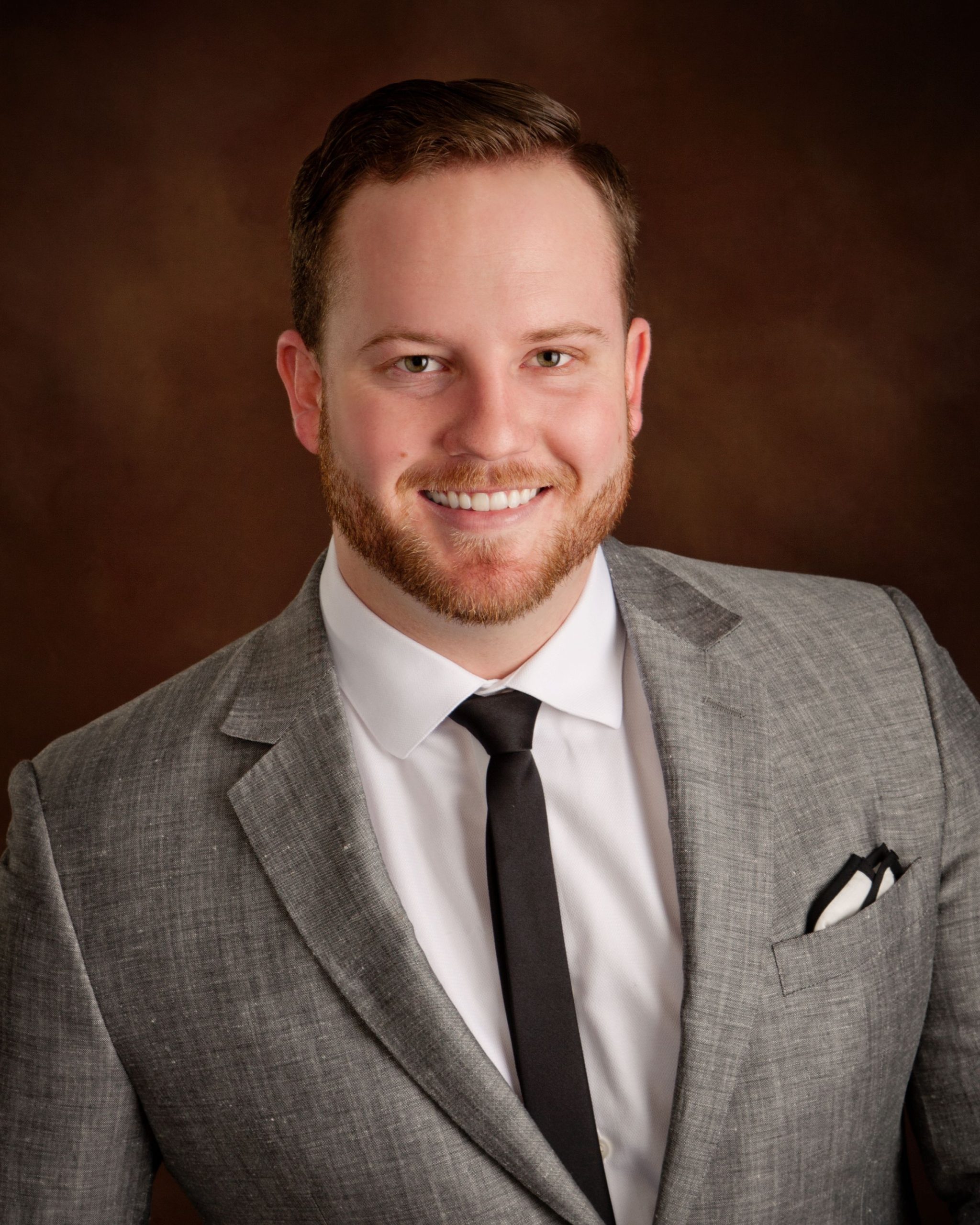
Why They Thrive is a one hour keynote designed to challenge one of the biggest assumptions in leadership: that people leave organizations because of money, benefits, or opportunity. While those factors certainly matter, they are rarely the true reason employees disengage. People thrive when they have purpose, clarity, meaningful relationships, and leaders who help them grow.
Through powerful storytelling, practical leadership principles, and real world examples, Morgan Hutchings explores the difference between organizations that merely survive and those that consistently develop passionate, committed teams. Attendees will discover why culture is not created by motivational speeches or mission statements, but by the daily behaviors leaders model and reinforce.
Drawing from neuroscience, leadership research, and years of coaching high performing organizations, Morgan introduces a practical framework for building workplaces where accountability, communication, trust, and ownership become part of the culture rather than management initiatives. Participants will learn how to identify the hidden causes of burnout, improve communication across every level of the organization, develop leaders instead of managers, and create an environment where employees choose to give their very best.
Whether leading a small team or a large organization, this presentation equips attendees with practical strategies they can immediately implement to create stronger cultures, improve retention, elevate performance, and build organizations where both people and businesses truly thrive.
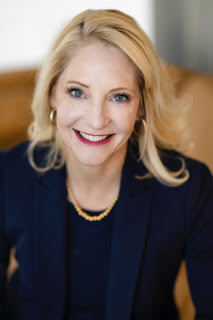
Built to Last. Why some careers fade — and how to make sure yours doesn’t - Julia Ahlquist, Au.D.
Burnout wears two faces across a career: early on it is overwhelm and exhaustion (highest in the least experienced audiologists), and later it is monotony and going through the motions. Both are doorways into the same room — preventable at the start, reversible later.
The core reframe: what we call “compassion fatigue” is really empathic distress fatigue. Compassion does not burn you out — unregulated empathy does. When the self–other line blurs, you absorb the patient’s suffering as your own. The same empathy can go two ways: tipped inward it becomes compassion fatigue (the muscle overused); directed outward with perspective-taking it becomes compassion satisfaction (the muscle trained) — the strongest protective factor against burnout.
That is the care paradox: the skills that make you beloved are the ones that burn you out, and they are disproportionately expected of the women who make up most of the field. The resolution is learnable — boundaries and directness. Boundaries close the gap between demand and control; directness is being kind, because vague availability hands patients a depleted version of you.
The central tool is a three-step direct conversation — name it, reflect it, hand it back — demonstrated across common patient deflections. The principle underneath all three: say the true thing once, well, then release it. Their half is theirs to carry.
The payoff is collaborative effervescence (Durkheim) — the renewed energy that comes from gathering, mentoring, and building peer community. The session closes with five Monday-morning practices: regulate don’t absorb, build compassion satisfaction, build community or mentor, refuse autopilot, and protect the reserve.
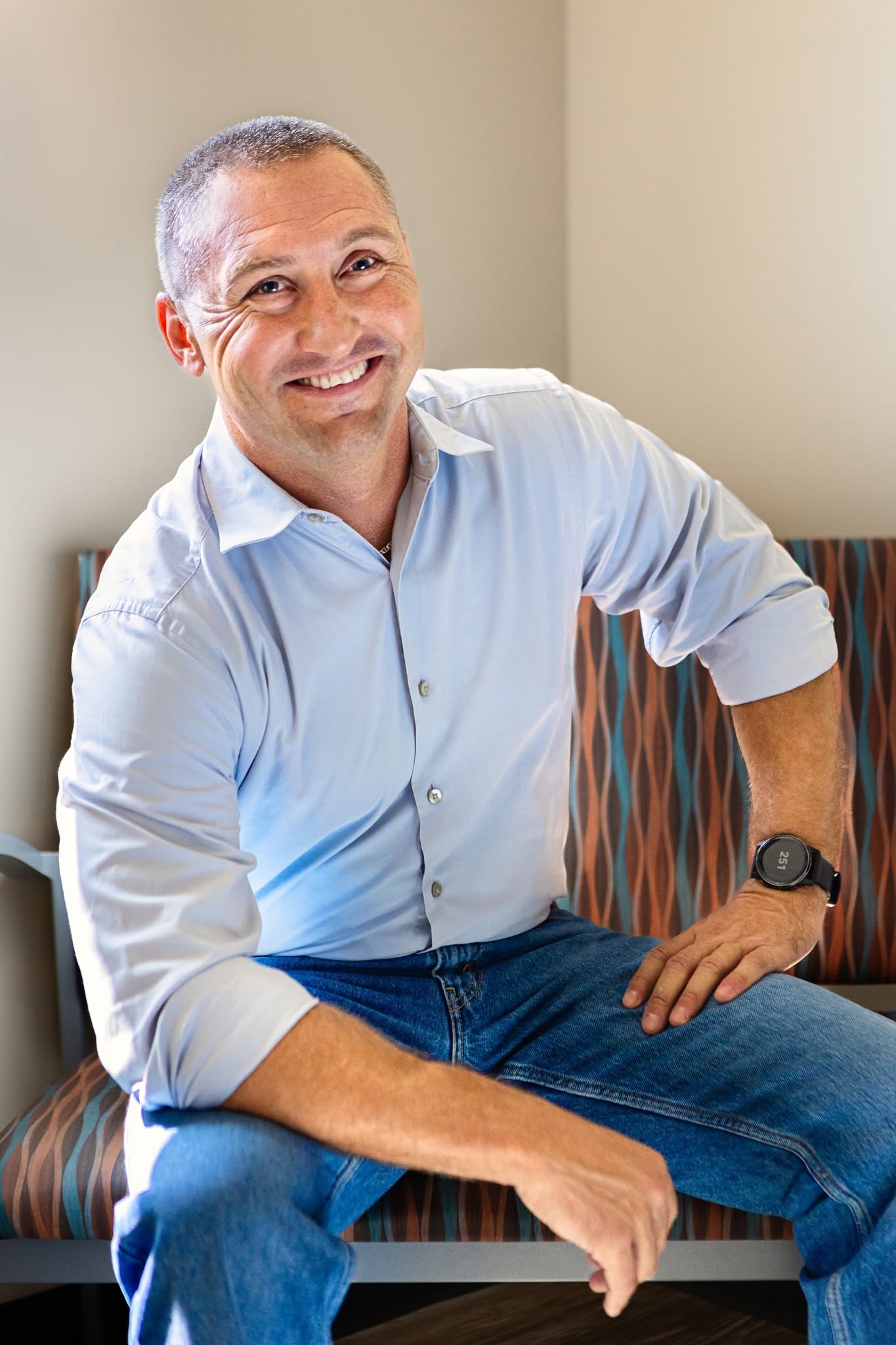
Music Audiology in the Real World: Protecting Hearing from Rehearsal Rooms to Arenas - Caleb Kronen
This presentation examines the expanding role of music audiology in protecting the hearing and careers of musicians and music industry professionals. It reviews the prevalence and mechanisms of music-induced hearing disorders, including hearing loss, tinnitus, hyperacusis, diplacusis, dysacusis, and difficulty understanding speech in noise. The session distinguishes music-induced hearing loss from occupational noise-induced hearing loss and explains how instrument orientation, stage position, genre, exposure duration, and monitoring practices influence risk.
Attendees are introduced to practical strategies for musician-specific case history, sound exposure assessment, baseline and serial audiometric evaluation, and patient education. The presentation emphasizes that audiologists must provide comprehensive care that extends beyond taking ear impressions or dispensing products. Best practices for selecting, fitting, and verifying universal and custom hearing protection are reviewed, including real-ear attenuation at threshold testing and specialized impression techniques.
The session also addresses safe use of in-ear monitors, the importance of binaural listening, output-level monitoring, ambient systems, and counseling to prevent excessive volume. Additional topics include engineering and administrative controls, personal listening habits, environmental modifications, lifestyle factors, and long-term follow-up. The central message is that effective music audiology preserves hearing while maintaining sound quality, communication, performance confidence, and artistic identity through individualized, evidence-based hearing conservation care.

The Modern Hearing Healthcare Roadmap: Scaling Practice Success with Purpose and Physician Alignment - Gary Johnson
As hearing healthcare evolves, transitioning from an ancillary service to a central pillar of patient-centered healthcare requires intentional leadership and business strategy. This presentation provides audiologists and students gain a better understanding of how to utilize goal setting, cultural development, and physician marketing to elevate their practice model and secure long-term growth.
Participants will learn how to define and execute realistic, attainable goals that align with modern practice needs. We will examine the critical role of workplace culture, identifying key cultural drivers that enhance team retention and patient loyalty while diagnosing behaviors that hinder organizational growth. Finally, the session explores the pivotal shift toward a medical model of audiology, highlighting how structured physician marketing elevates standard care practices and cements audiology’s role within the broader medical ecosystem.
Using speech-in-noise across clinical settings - Cory Portnuff, AuD, PhD
As audiologists well know, the sound booth does not mirror most patients’ realities. To that end, the use of tasks with higher ecological validity can be beneficial in clinical practice. This presentation discusses the implementation of speech-in-noise tests for to evaluate functional hearing abilities, as a diagnostic tool, and as a validation tool for hearing devices. Existing speech-in-noise tasks that can be easily used in clinical practice will be evaluated, and strategies for addition of speech-in-noise to existing test batteries will be discussed. Benefits and limitations of speech-in-noise testing will be discussed, along with practical suggestions for immediate use by clinical audiologists.
Hearing loss prevention in the clinic: From earplugs to sound advice - Cory Portnuff, AuD, PhD
Audiologists are great problem solvers – we react quickly to patient needs and find solutions. Unfortunately, the prevention of hearing loss falls by the wayside for much of clinical practice. This presentation will discuss practical aspects of integrating hearing loss prevention into daily clinical practice, including the best selection of hearing protection, the evaluation of patient sound exposure, and the provision of accurate advice to patients. Hearing protector fit testing will be discussed, including clinical protocols for measuring device attenuation with existing clinical equipment.
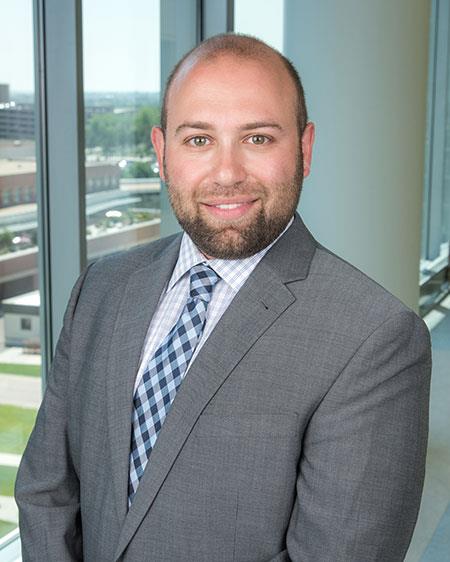
Cochlear Implant - Who is a candidate and what to do next? - Christopher Lenkeit, DO
I will discuss the current indications for cochlear implantation including testing and other medical factors that play a role in how I (as an otologist) determine who is a candidate or not. I will discuss SSD, Medicare criteria as well as the protocols my practice has used to help streamline cochlear implant evaluations.
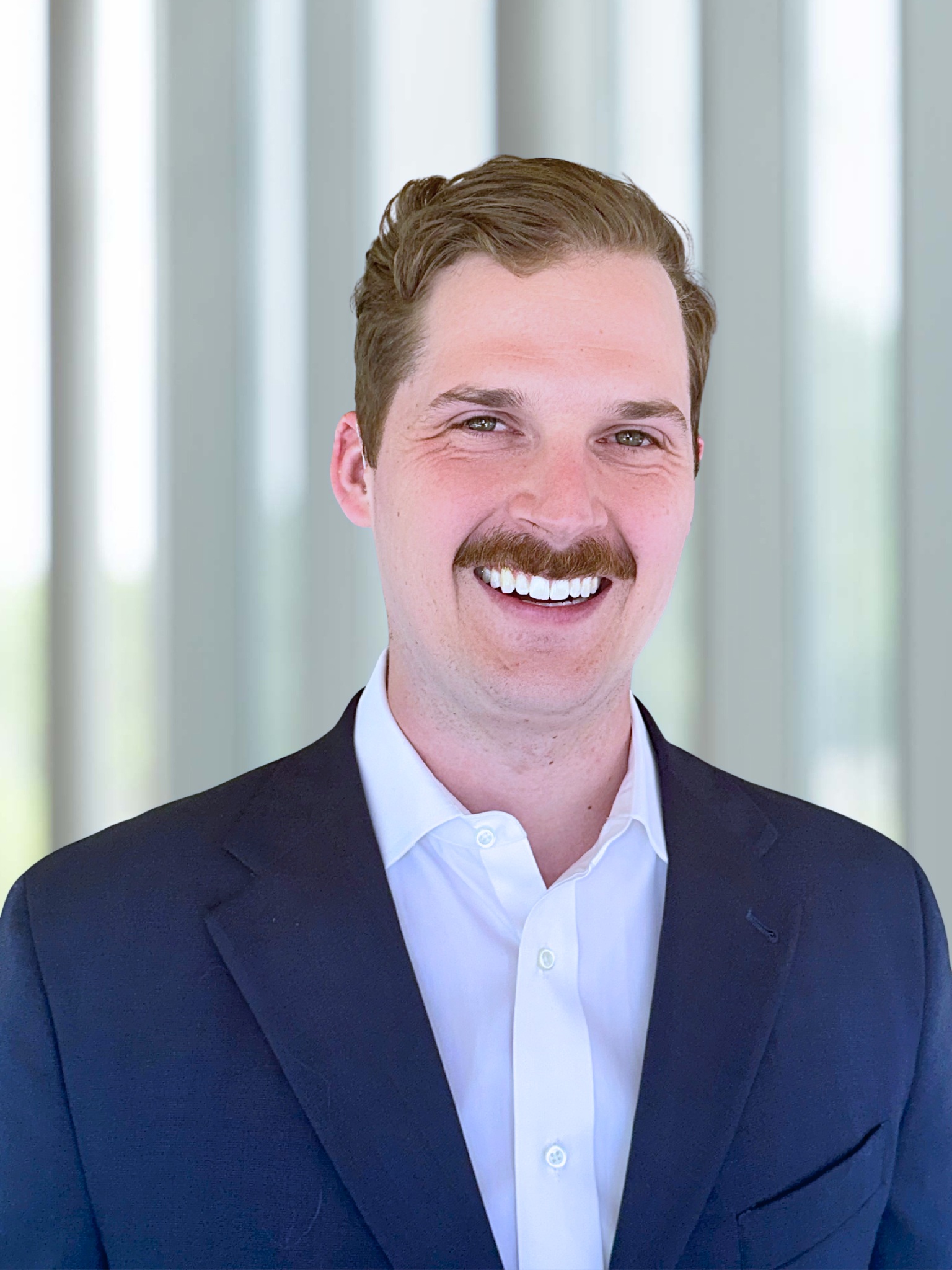
Coming to a theatre near you??: Are YOU ready for Auracast Broadcast? Will your patients be? - Wynne Whyman
The latest tech holds promise, but only if it is universally available, works, and people know how to use it. What’s the current state in Colorado? Internationally? What makes a successful deployment, and what innovation still needs to be developed? Does Auracast broadcast used as an assistive listening system provide acceptable latency and quality sound? How can you prepare your patients for success with both Auracast broadcast ALS along with the hundreds of existing hearing loops, IR and FM systems already in use in Colorado? Can audiologists play a role in helping facilities advance adoption in their local communities? Practical handouts will be shared.
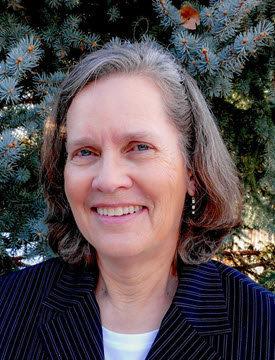
Best Practice Is a Team Sport: A Mindset Shift in Audiology - Paige Andrade
Best-practice audiology is often framed around what the audiologist should personally do: verification, outcome measures, counseling, follow-up, rehabilitation, and ongoing device management. But as clinical expectations continue to grow, so does the challenge of fitting every element of high-quality care into a busy practice.
This presentation explores a different approach: shifting from an audiologist-dependent model to a team-based model in which the right person performs the right task while the audiologist protects the work that most requires clinical expertise and judgment.
Using the Queen Bee Role concept as a framework, attendees will consider which responsibilities truly require an audiologist and which can be standardized, delegated, and supported by trained audiology technicians without compromising quality. Real-world examples will include technician-driven test-box protocols, hearing aid troubleshooting, repair triage, rehabilitation support, and clearly defined escalation pathways.
The goal is not to do less, but to create the capacity to do more of what matters most. Attendees will leave with a practical framework for rethinking delegation, building reliable systems, and creating a team that supports sustainable, consistent, best-practice care.

Susan Frew - Upgrade Your Business DNA with AI - Susan Frew
Every business has a DNA: the habits, workflows, and daily decisions that make it run. AI is rewriting that code right now, and the companies that learn to read it will pull away from the ones still arguing about whether it is a fad. In Recoded, Susan Frew hands your audience the operator's playbook for that shift.
This is not a theory lecture from someone who simply read about AI. Susan saved her own company 170,000 dollars in a single year using everyday AI tools, scaled an INC 5000 business, and has trained thousands of leaders to do the same. She brings that hard-won, real-world experience to the stage with high energy, quick humor, and zero tech-bro jargon.